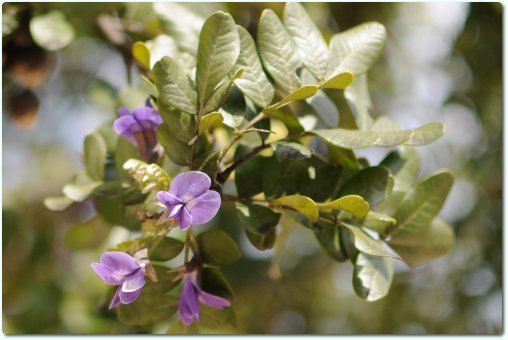
Some of you may or may not know that I volunteer at the Lady Bird Johnson Wildflower Center from time to time. A big benefit of being a volunteer, (besides the joys of giving and the bliss of being around plants) is the wonderful enrichment programs that the center provides for its volunteers. The Ethnobotany walk that I recently attended is one of the many “perks” of volunteering, as well as spending time in the gardens and meeting fellow Botanists, plant enthusiasts, and nature lovers. If you don’t have time to volunteer, consider supporting the Wildflower center by becoming a member, visiting the center, or attending one of the many fun events, exhibits and classes that are offered throughout the year.
Ethnobotany is the study of the relationship between people and plants. Plants have rich history and lore and are used culturally for food, medicine, dye, clothing and spiritual practices. Today we are going on an Ethnobotany walk of the gardens with our guide and fellow volunteer, Anne Bossart. She is a gem of a lady with a wealth of plant knowledge. Anne provided our group with a very thorough tour, discussing many plants and trees. I counted 36 plants from my notes (I’m sure I missed a few) plus my bazillion photos!
So for practicality reasons, my focus will be on a very condensed version of the walk, including pictures. Along the way I have sprinkled in my own knowledge, some referenced information, as well as the botanical information that Anne supplied. As a botanist and a relative new transplant to the area, my knowledge of our local tree species needed some general pruning. Most of my photos will focus on the familiar trees that surround us in Texas with a few other plants and cacti to mix it up. By the way, I was the weird one snapping photos constantly. I tend to hide behind my camera and only talk to plants, so consider this my informal hello. For all of you that participated on this walk or for those of you whom have visited the LBJ Wildflower center most of these plants and places will look familiar! As always, please feel free to share thoughts, add any notes, make corrections, or just say hello in the comments section.
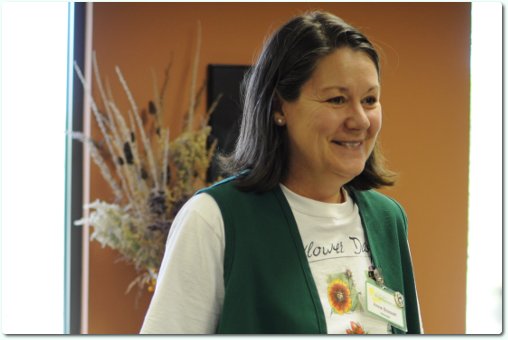
Anne Bossart our Ethnobotany guide. Let’s go!
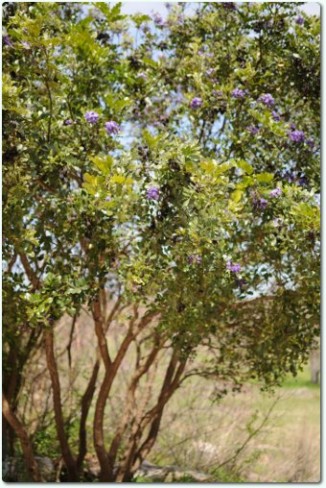
Texas Mountain Laurel (Sophora secundiflora)
This has got to be my favorite native tree (or small bush.)
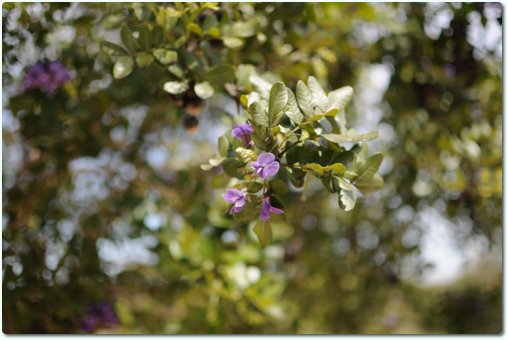
A “new to me” native tree. I was thrilled to finally find out the name of this fragrant tree that also lives in my front yard.
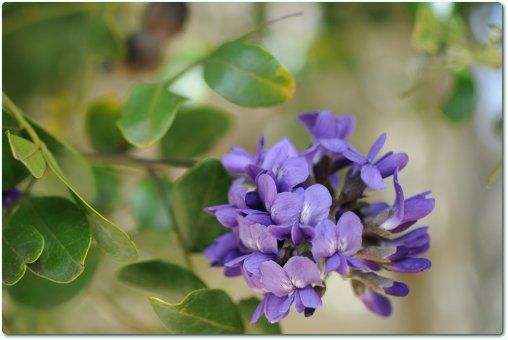
I am in love with the scent of these pea shaped flowers.
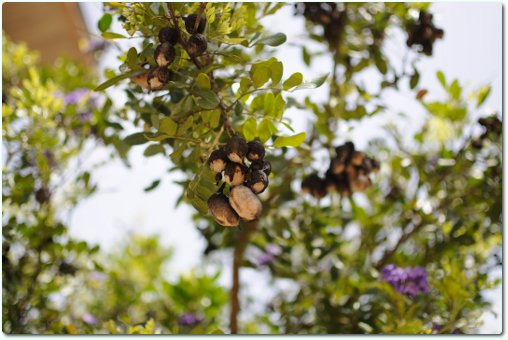
I learned that the pods contains a very hard red seed inside. Native Americans used this seed as a bead for ceremony and decoration. It is considered to be highly poisonous due to it’s high content of the alkaloid cytosine.
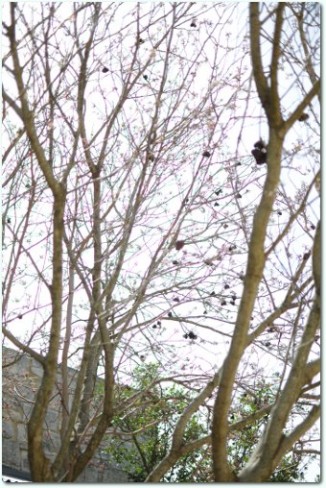
Mexican Buckeye (Ungnadia speciosa)
A beautiful tree that was blooming with bright pink flowers.
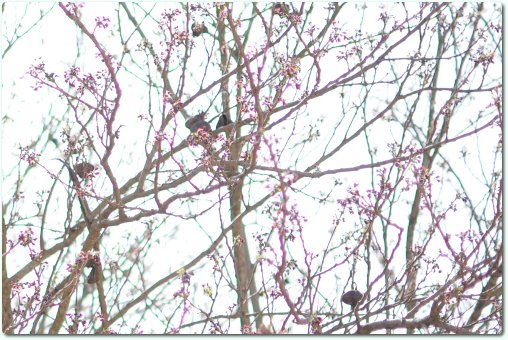
The capsules produce a very hard and waxy black seed. Although the seeds and foliage are poisonous, bees and butterflies are frequent visitors.
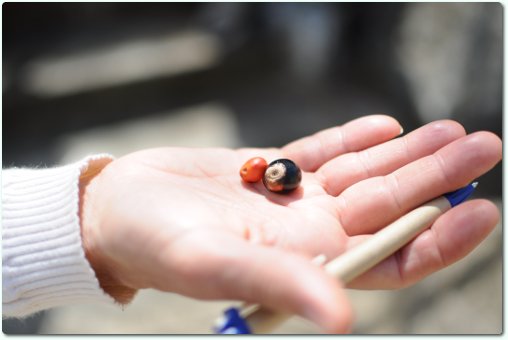
Mexican Buckeye seeds are black, very hard and waxy. Texas Mountain Laurel seeds are red.
Thank you gracious hand model that held these seeds for this shot!
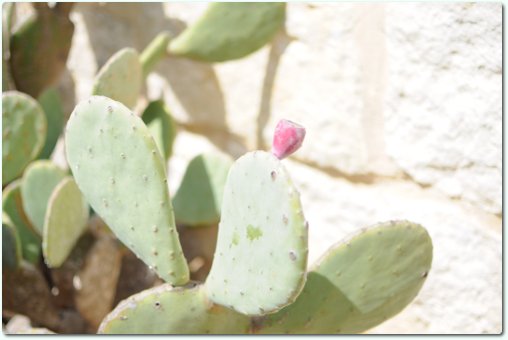
Spineless Prickly Pear (Opuntia ellisiana), is truly a beautiful and useful native cactus. Every part of this Texas state cactus can be eaten. The “tuna” is the sweet red fruit containing 70-80% sugars and the pads called “napolito” are also eaten. Though this species is considered spineless – it is not! You must peel off the tiny spines (glochids) before eating the fruit and de-thorn the pads and joints. Not only is Prickly Pear cactus a great food source but parts of the plant were made into useful tools for the natives. The skin from the pads were dried and used to make water bags.
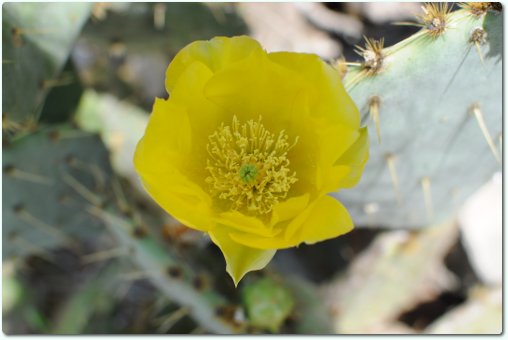
Prickly Pear is probably familiar looking to many, with it’s flat pads and yellow, red, or purple blooms. It can be anywhere from 8 inches to 7 feet tall and is commonly found throughout Texas.
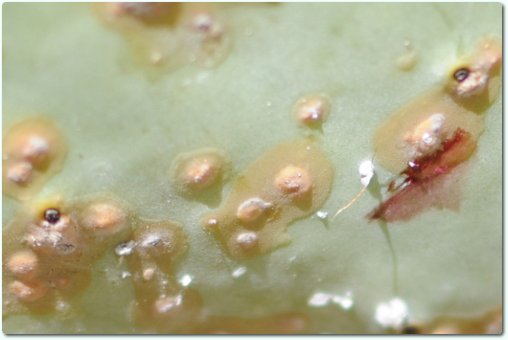
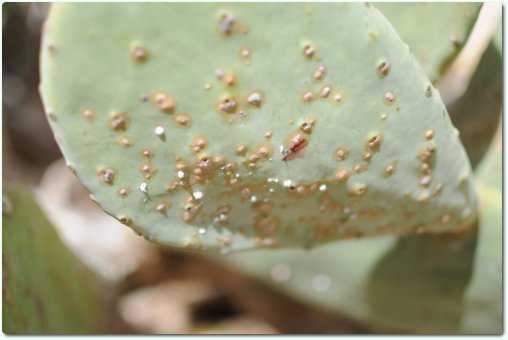
This photo is a close up picture of the pad of the cactus. The red color that you see is a dye made from a mealybug (Dactylopius coccus). This scaly bug sucks on the cactus producing a red dye called cochineal. The red dye was extracted from these bugs and was used by the Aztecs and Mayans. It was commercially used to dye fabrics and was even used to dye the scarlet color on the wool garments of the British guards until 1954. Due to modern chemical dyes and the labor intensive harvesting of cochineal, it is not used commercially today.
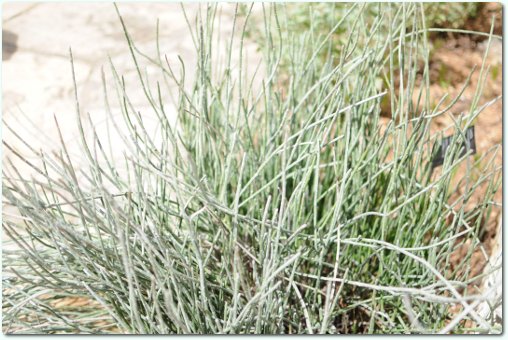
Candelilla (Euphorbia antisyphilitica)
Euphorbia is considered to be one of the most useful plants. Though poisonous until it is refined, it produces a waxy, gum used in many household items. It’s many uses include soap making, candles, ointments and shoe polish. Today it is still being used in Trident gum!
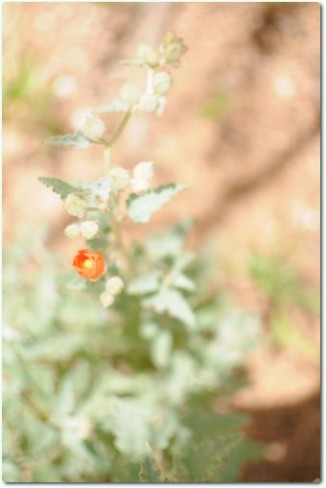
A unique shot of Gray globe mallow (Sphaeralcea incana.) The Mallow family is a diverse group of over 1000 species and is found distributed throughout Texas. Mallows include many medicinal and edible species. The flowers, leaves, and roots of gray globe mallow were used by Native Americans for food and medicine. Medicinally, it was used as a gentle analgesic and demulcent for respiratory ailments and was used externally for various skin conditions.
Common edible mallows include Okra and the European Marshmallow (Althaea officinalis) is a plant that’s name was derived from that yummy edible treat that we know as marshmallows. It has roots (hee hee) in old recipes that use the high content of mucilage from the root extract. This extract was used for preparing a confection similar to modern marshmallows. Other recipes refer to the stems as the origin of our supermarket marshmallow. The soft and spongy pith of the the peeled stem has a similar texture to our modern marshmallow. The pith was boiled with water and sugar and when dried formed a chewy, soft candy. It is amazing to think that marshmallow candies were once eaten as medicine to soothe sore throats and coughs.
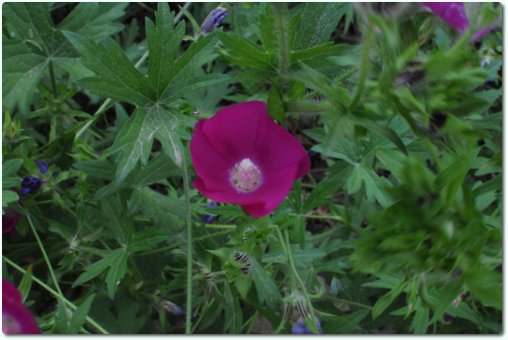
Winecup (Callirhoe involucrata)
Another useful plant from the Mallow family. The flower contains a pigment that creates an orange dye. The name “wine cup” is derived from Greek and India lore, both stories sharing a similar theme of wine and dancing. In India it is called the “Dance of the Winecup.” In both legends a chalice of wine is balanced on a servant’s head to heal a sickness or please the King or master. The servant dances his heart out and in his exhausted state, falls to the ground spilling the wine. The following day, cup shaped flowers the color of a dark burgundy wine sprouted from the spot where the wine cup was spilled.
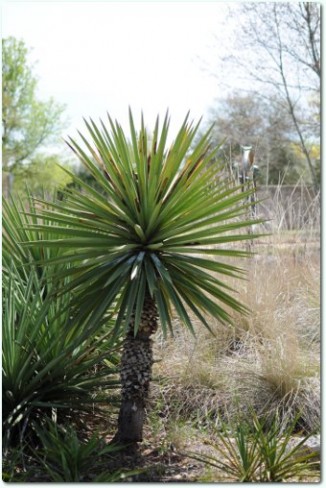
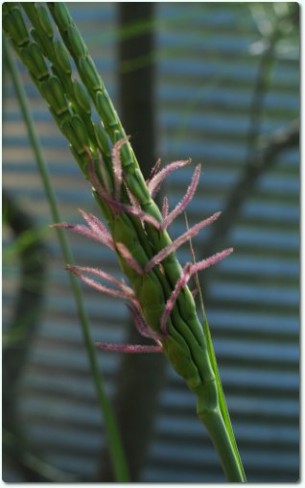
Yucca is a part of the agave family. This plant is known as the soap plant and also as “Spanish Bayonet” due to the sharp tips. Every part of the yucca plant was used by Native Americans. It was made into a soap by crushing the roots into a pulp. Water was then added to the pulp to create a soapy lather.
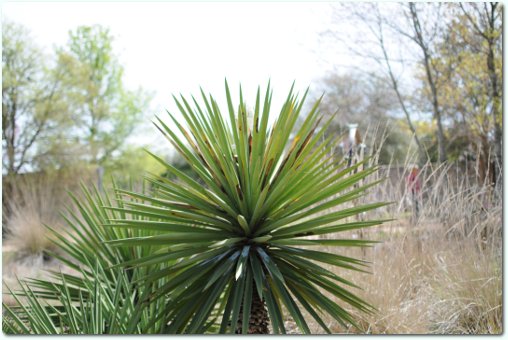
The spines and leaves of Yucca are fibrous and were used to make baskets, mats, clothing and rope. The flowers and fruits can be eaten, as well as the cooked inner “heart.”
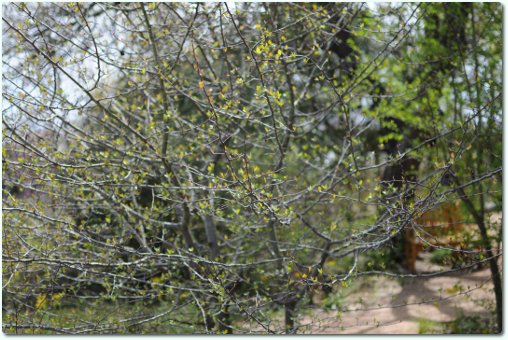
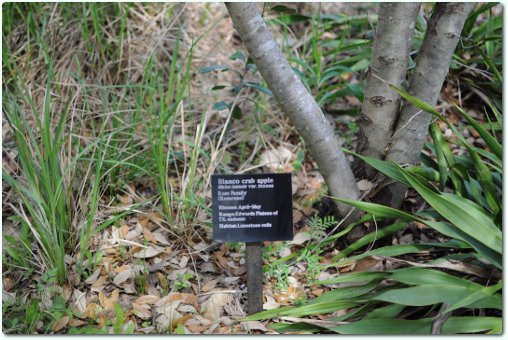
Blanco crab apple (Malus ioensis var. texana) The fruit and tree provides shelter and food for many birds.
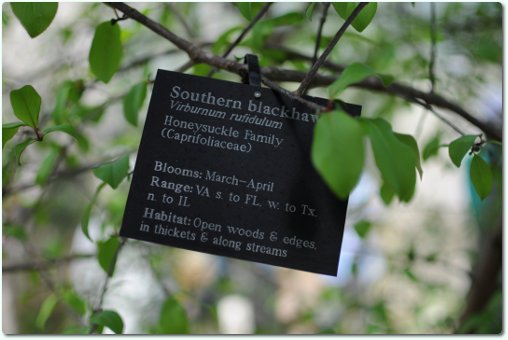
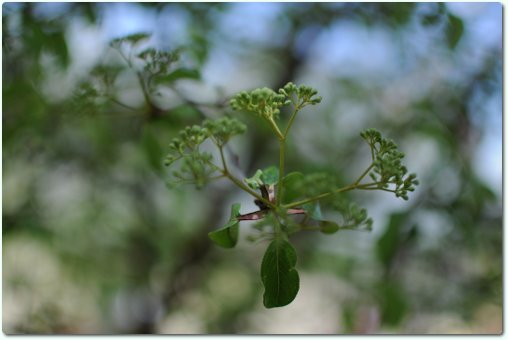
Southern Black Haw attracts birds and butterflies.
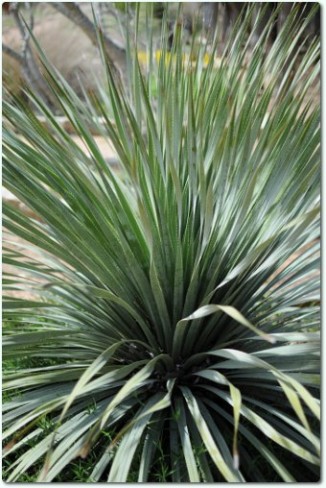
Sotol belongs to the Lily family and, like agave, was used by Native Americans for food and clothing. The leaves were used to produce baskets, mats, sandals and other materials. A liquor is produced from the fermented flower heads and is commercially known as “sotol.”
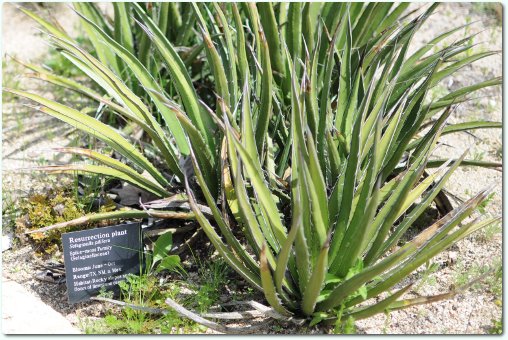
A shot of Agave and Resurrection Plant (Selaginella pilifera,) which is growing under and around the Agave.
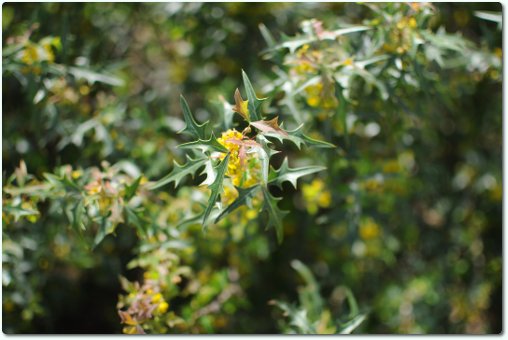
Agarita (Mahonia trifoliolata) is from the barberry family. The wood is bright yellow and the roots were used as a dye by early settlers. Agarita berries make delicious jellies and jams and are also frequented by birds. Honey bees are also attracted to this bush, as it is a good honey source. Agarita is known as the “babysitters bush” because animals leave there babies under it while they are off hunting or foraging for food.
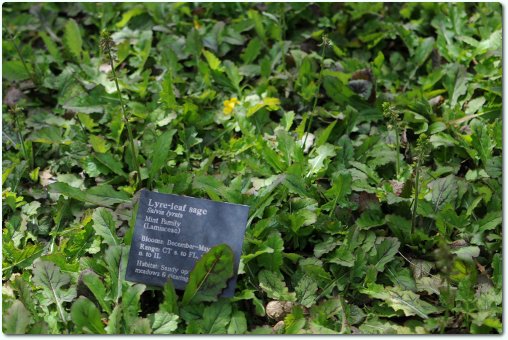
Lyreleaf sage (Salvia lyrata) is a member of the Mint family.
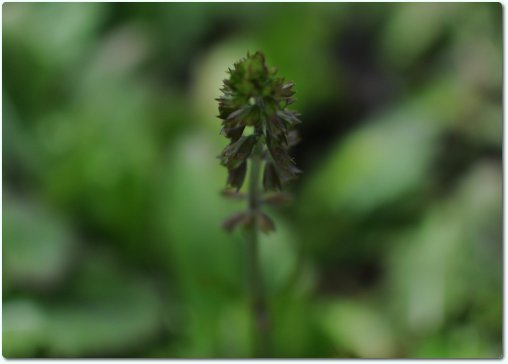
A great groundcover and ornamental plant that attracts bees, butterflies, and hummingbirds.
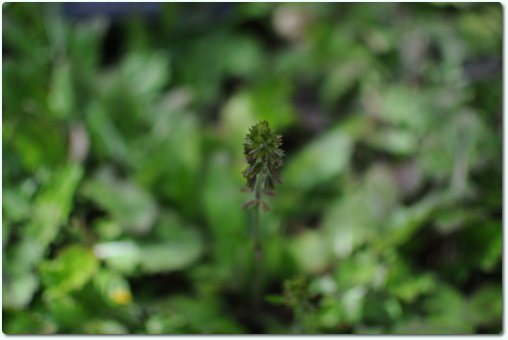
The leaves are used medicinally as a tea to aid digestion and is gargled for sore throats. The leaves were once thought to cure cancer and was once known as “Cancerweed.”
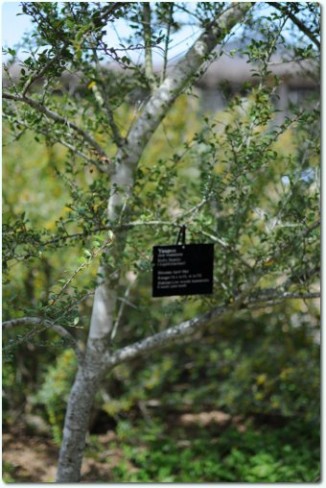
Yaupon (Ilex vomitoria) is another common native. Native Americans used the leaves and twigs medicinally and ceremonially. The species name “vomitioria” comes from the ceremonial beverage or “black tea” which was prepared from the leaves and twigs. The leaves and twigs contain caffeine, which was brewed into a tea and consumed in copious amounts which caused vomiting. Medicinally, the tea was also considered to be tonifying and was a popular drink to share at tribal gatherings.
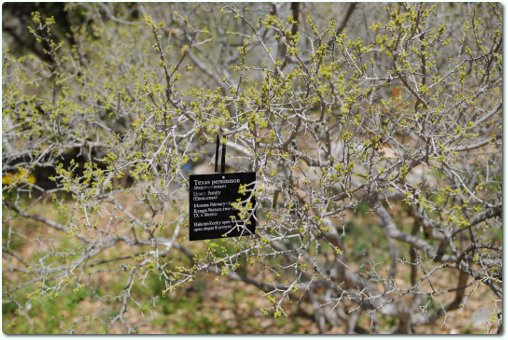
Texas Persimmon (Diospyros texana)
This tree or small shrub, of the Ebony Family, is a useful and unique Texas native. Both the wood and fruit are used; the wood was once used to make black piano keys. Its drought resistant features can be distinguished by smooth peeling bark and thick leathery leaves. The shape of the leaves and slick surface area of the trunk shuttles rain water to the base of the tree, ensuring that water reaches the roots. Texas Persimmons are dioecious, the plant being either male or female. You will know a female tree if it produces fruit, male trees do not. The fruit provides food for wildlife and is also a tasty treat for us! The edible fruit becomes ripe in late summer, turning dark purple to black in color.
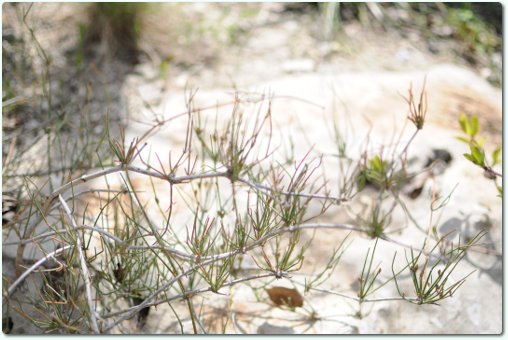
Clapweed (Ephedra antisyphilitica) was once thought to prevent and cure sexually transmitted diseases.
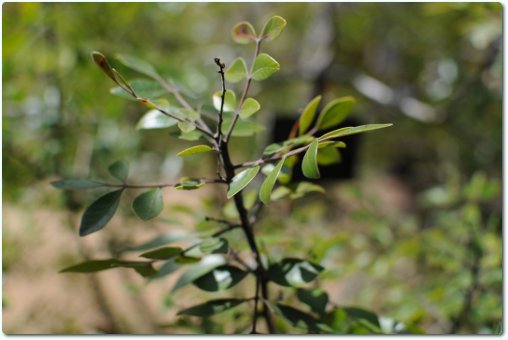
Sumac (Rhus copallinum)
The berries, which are high in Vitamin C, can be made into a tea and the leaves and stems are used for colds. Poisonous sumac species include, Poison ivy (Rhus toxicodendron, syn. Toxicodendron radicans), Poison oak (Rhus diversiloba, syn. Toxicodendron diversilobum) and Poison sumac (Rhus vernix, syn. Toxicodendron vernix).
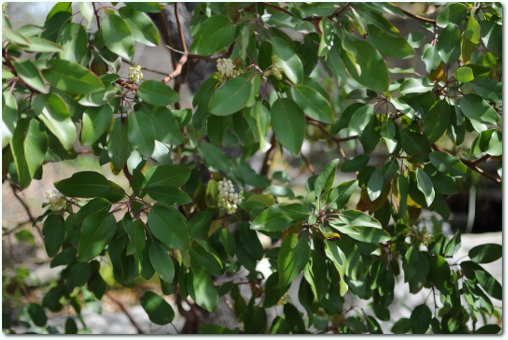
I will conclude our virtual Ethnobotany walk with this lovely tree from the Blueberry family, the Texas Madrone (Arbutus xalapensis.)
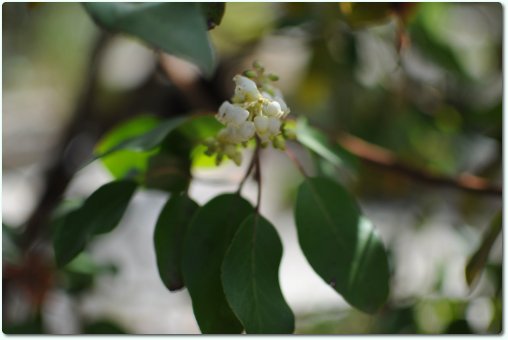
The berries are edible and purported to be quite tasty. Medicinally, the bark and leaves are used for their astringent properties and the wood is locally fashioned into tool handles and has been used as fuel and charcoal for gunpowder.
Thanks Anne for the fun Ethnobotany walk, your knowledge, and the wonderful time spent in the gardens.
The Wildflower Center is such a unique and wonderful place to visit! If you are a non-native species like me and wish to become naturalized, then get yourself down to the LBJ Wildflower Center. Spend a day in the gardens, take a guided tour with one of the knowledgeable and friendly volunteers, discover the trails, water gardens, wetland ponds, and so much more. I’ll see you there!
Zestfully yours,
The plant nerd & Botanist
Robyn
References:
Texas Wildflowers (1993) Magley, Beverley
Wildflowers of Texas (2003) Ajilvsgi, Geyata
Publication: Inks Lake State Park Hiking Trail Guide for Pecan Flats (2005) Fryar, Sarah
LBJ Wildflower Center Explore Plants Database








 First round. Mojito Soap.